
Residues in Time
(in progress)
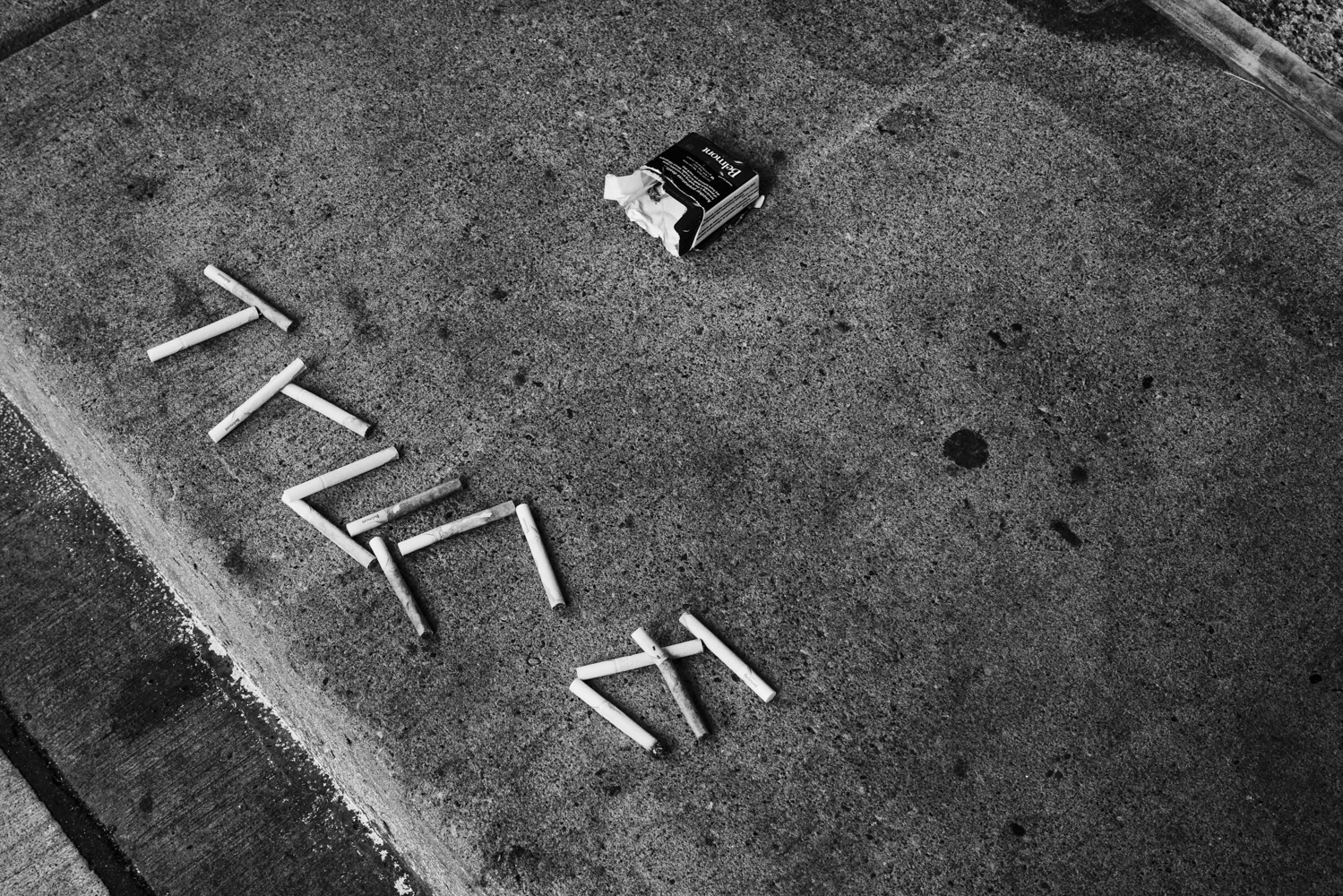
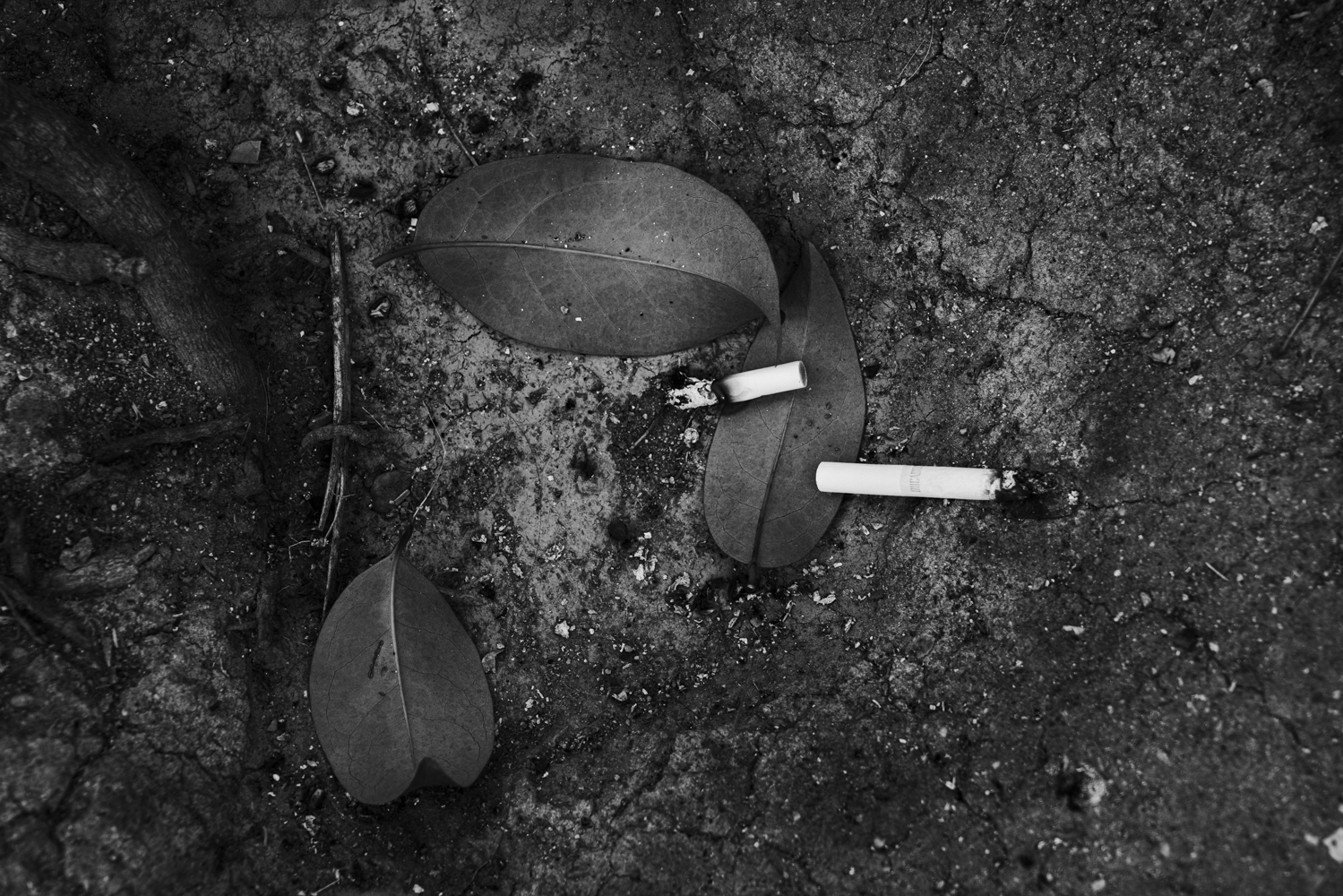
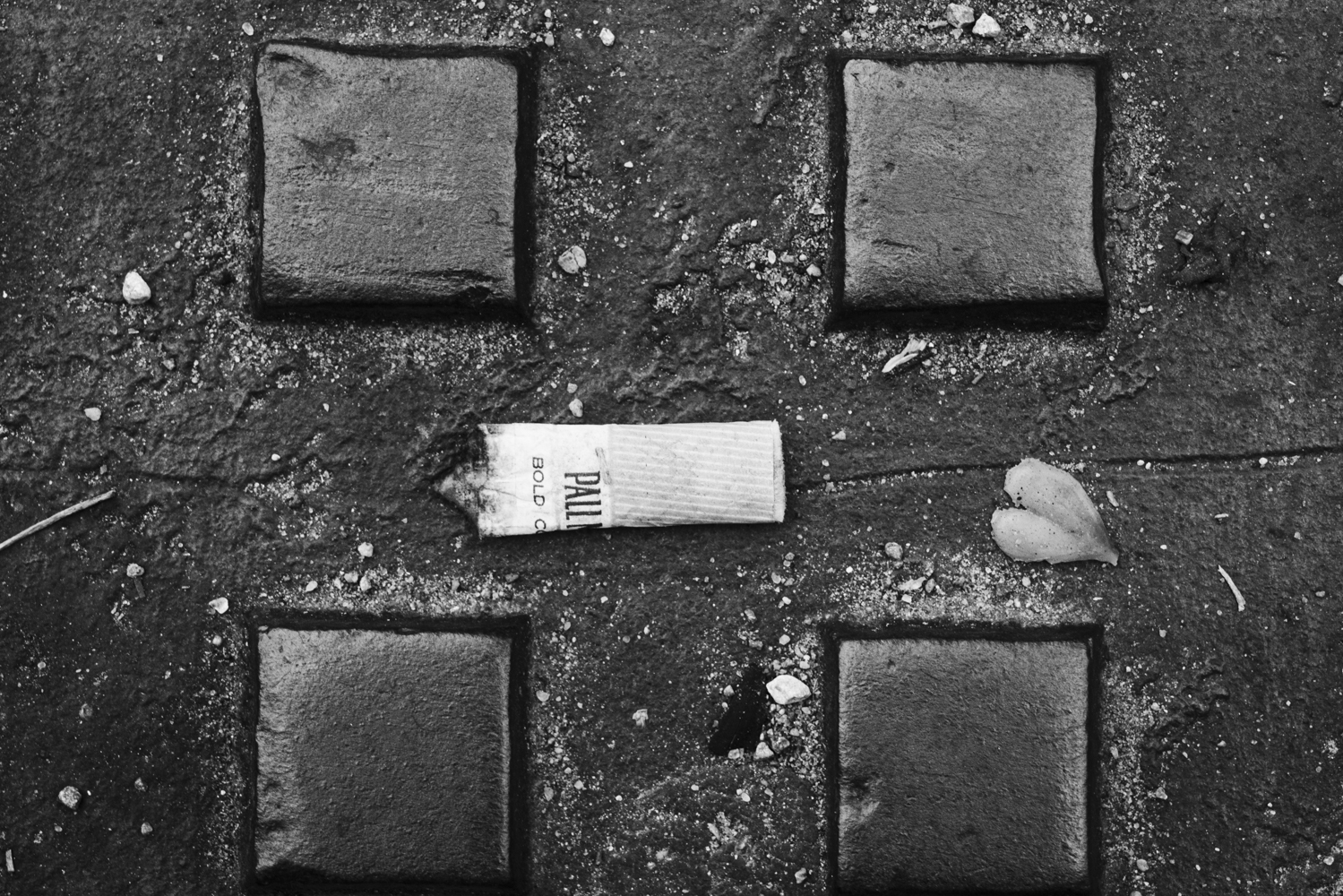
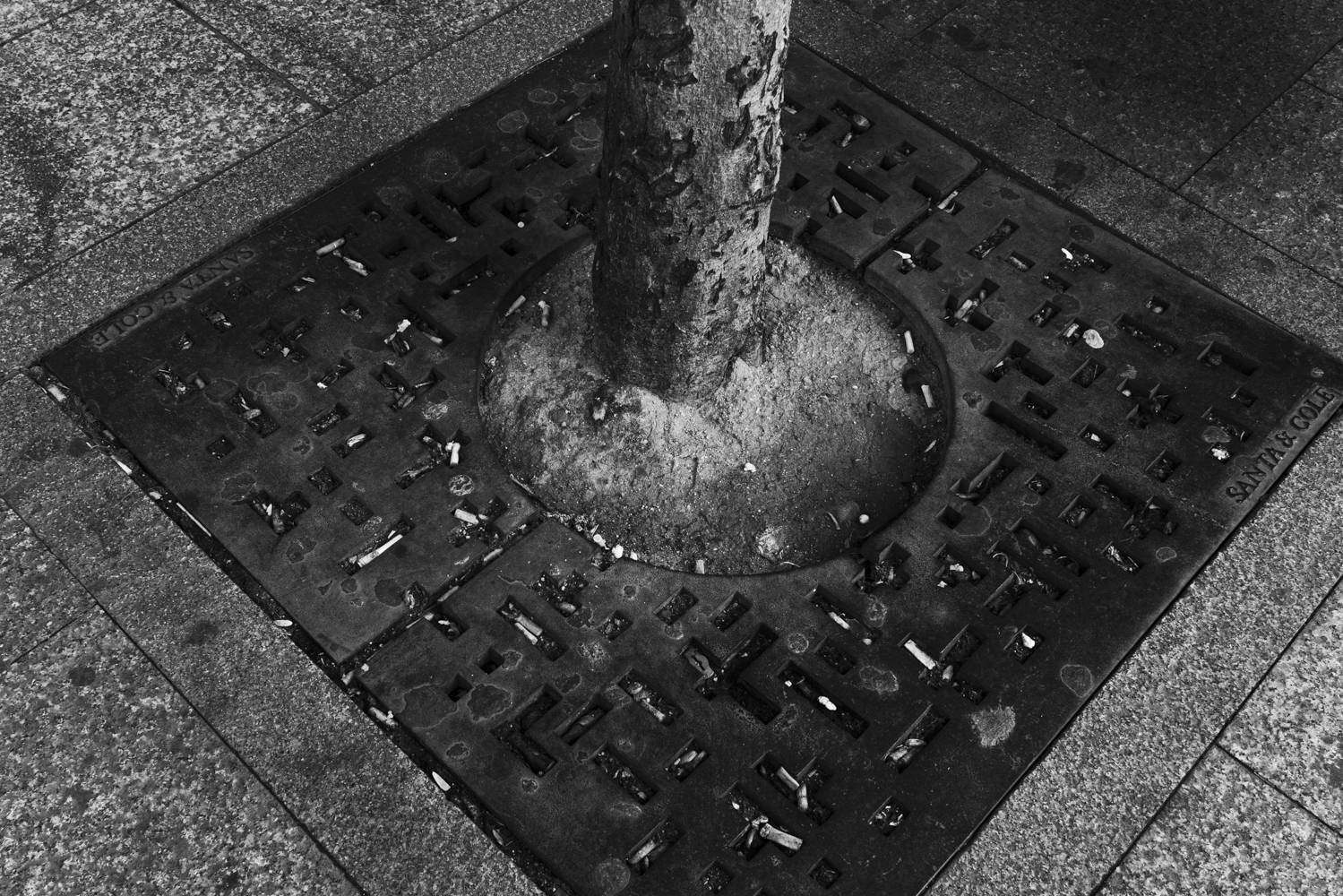
Residues in Time is a project about the habit of smoking and disposing of cigarette remains in the environment. While traveling around the world, I realized how naturalized this act often is, almost automatic, a very common practice everywhere I went. Every year, 4.5 trillion cigarette butts are incorrectly disposed of in the environment – that’s as if every person on earth smoked 600 cigarettes a year.
Something naturalized and apparently trivial can lead us to reflect on how the human species exists and inhabits the planet. A reflection that is sometimes overlooked, but which is becoming increasingly urgent. The concept of the Anthropocene (the prefix “anthropo” means Human, and the suffix “ceno” denotes geological eras) categorizes a new geological age of the Earth, delimited from the moment of occupation of the human species on the planet, with homo sapiens causing irreversible impacts and transformations on nature.
All the time humans have been on earth, compared to the planet’s 4.5 billion years, is a tiny fraction, yet we have managed to cause such huge and lasting impacts that the future of the species, and of terrestrial life in general, is at risk. The impact of human activity has intensified exponentially in the last two hundred years when industrial revolutions and the large-scale adoption of fossil fuels for energy production have intensified global warming, perhaps the greatest challenge facing humanity today.
By capturing the accumulation of waste generated, without altering the scenes, I have amassed a photographic collection of cigarette remains in various places such as: Germany, Brazil, Canada, the United States, Spain, Malta, Portugal… During the construction of this record, I realized that Residues in Time would be a transversal artistic project and I started working on the creation and concept of an exhibition that includes, in addition to the photographic image, immersive and interactive installations that play with scale, propagation and time dilation of this “small” waste. A format that I believe will broaden the public’s sensitivity to the subject.




 christianbaes.art