
Behind the rain
A photographic investigation into perception, vulnerability and presence in contemporary life.
2017 – present
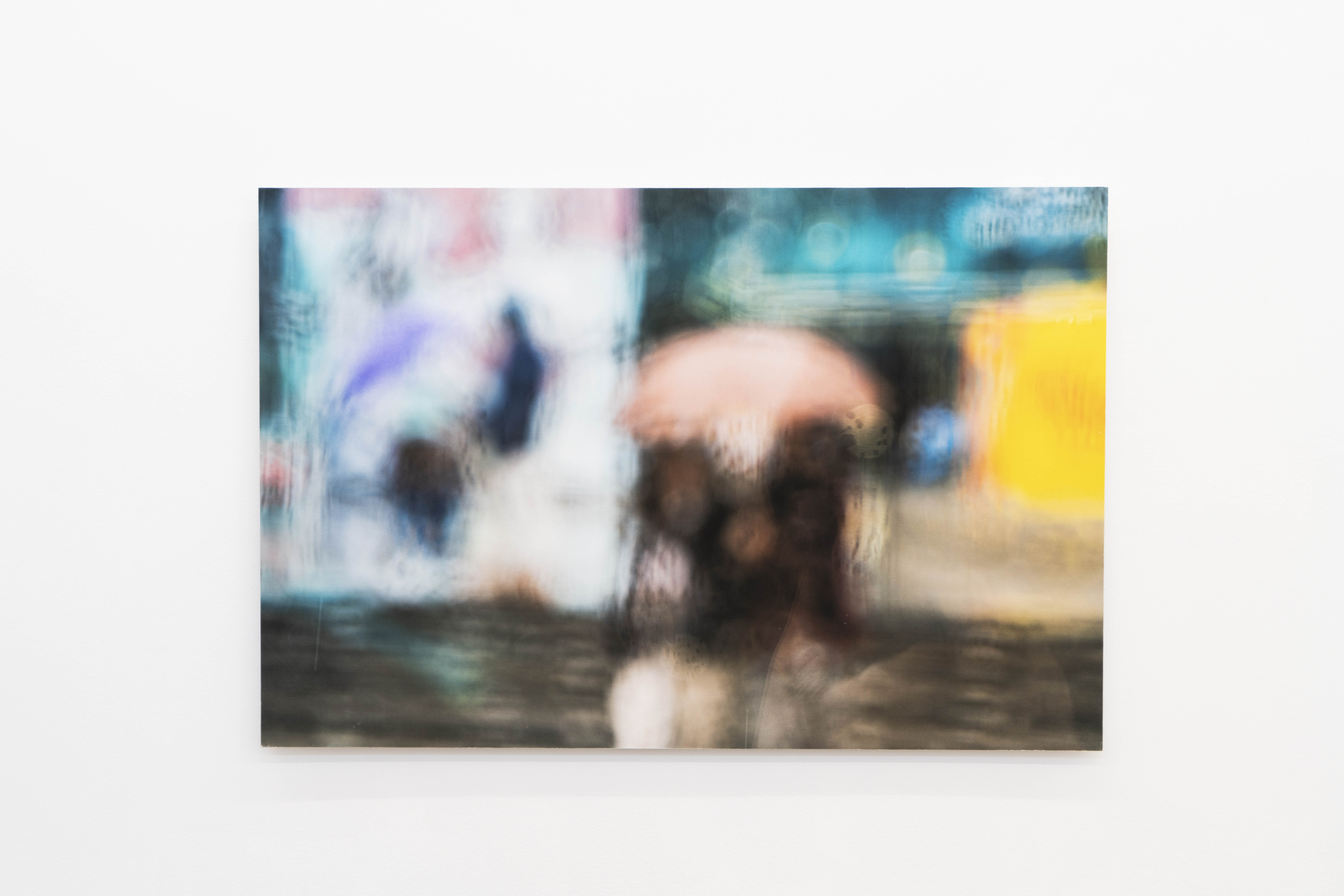
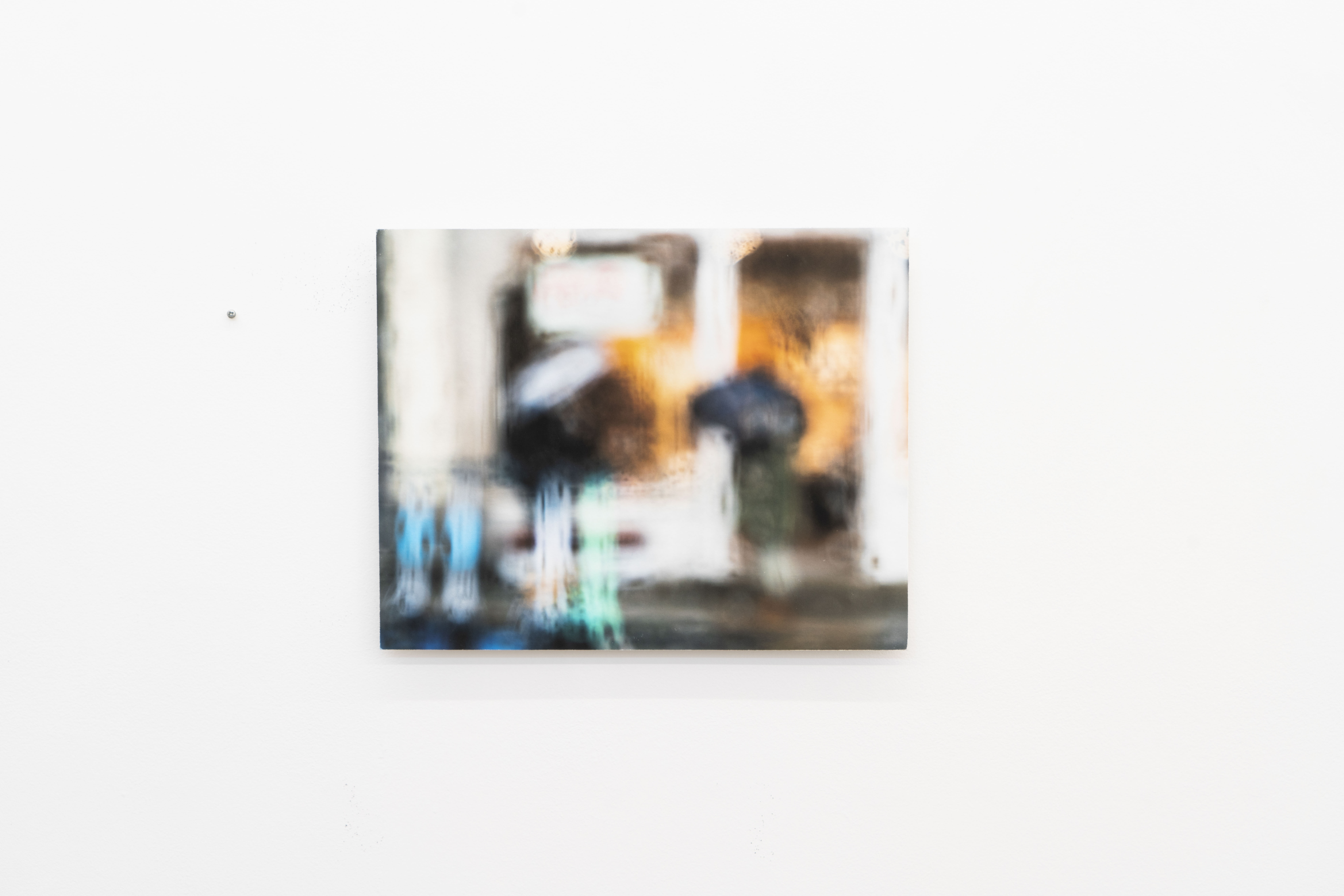
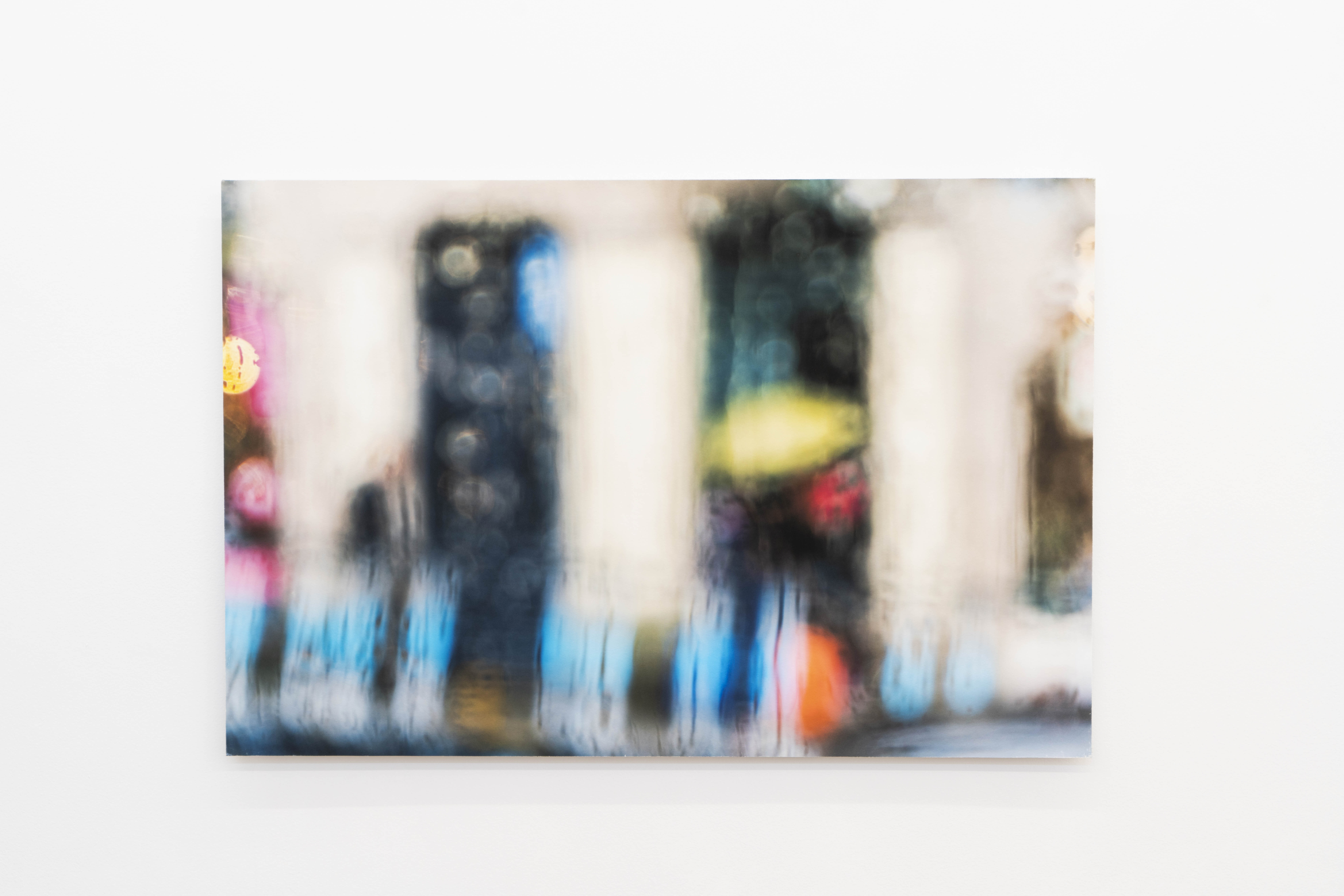
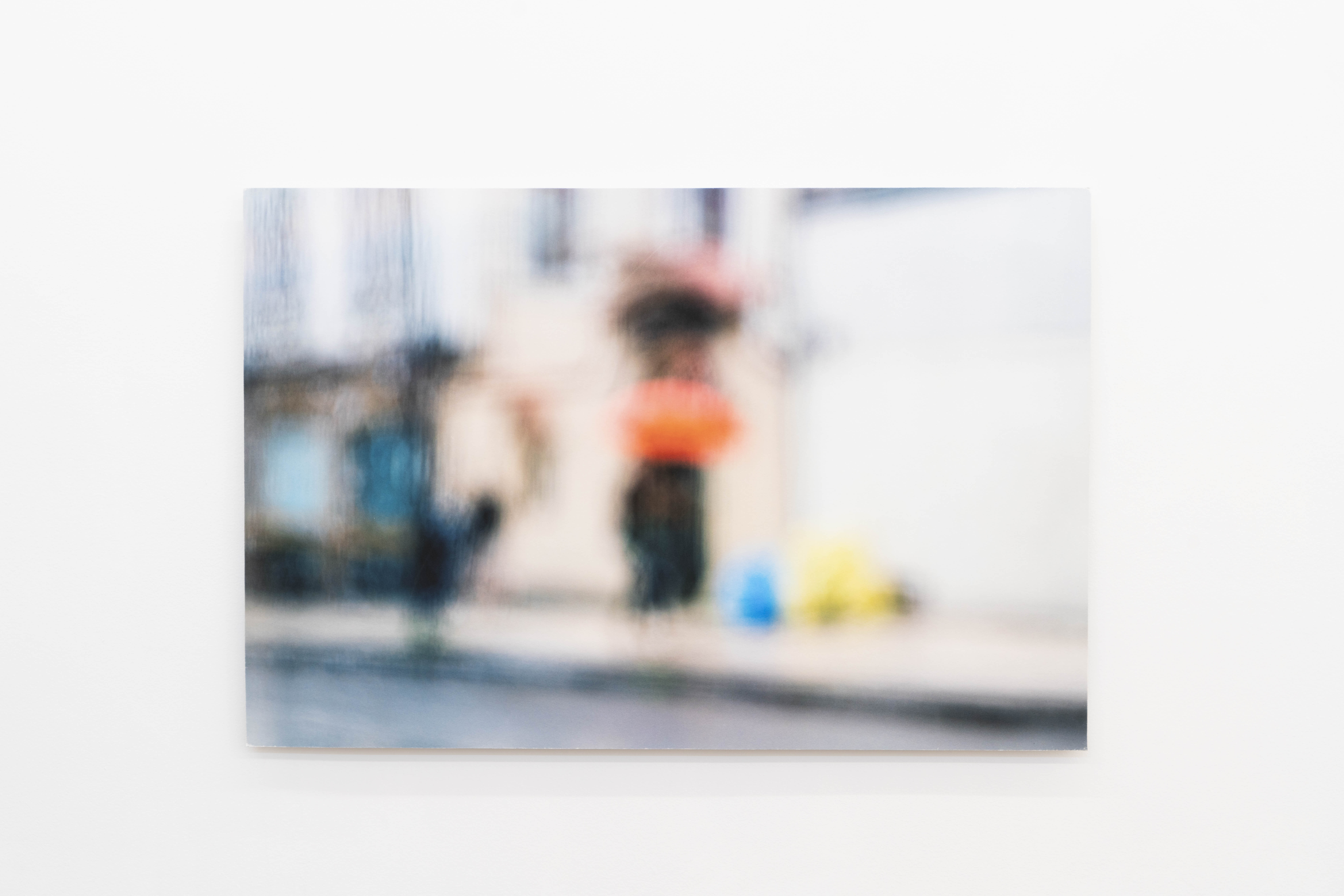
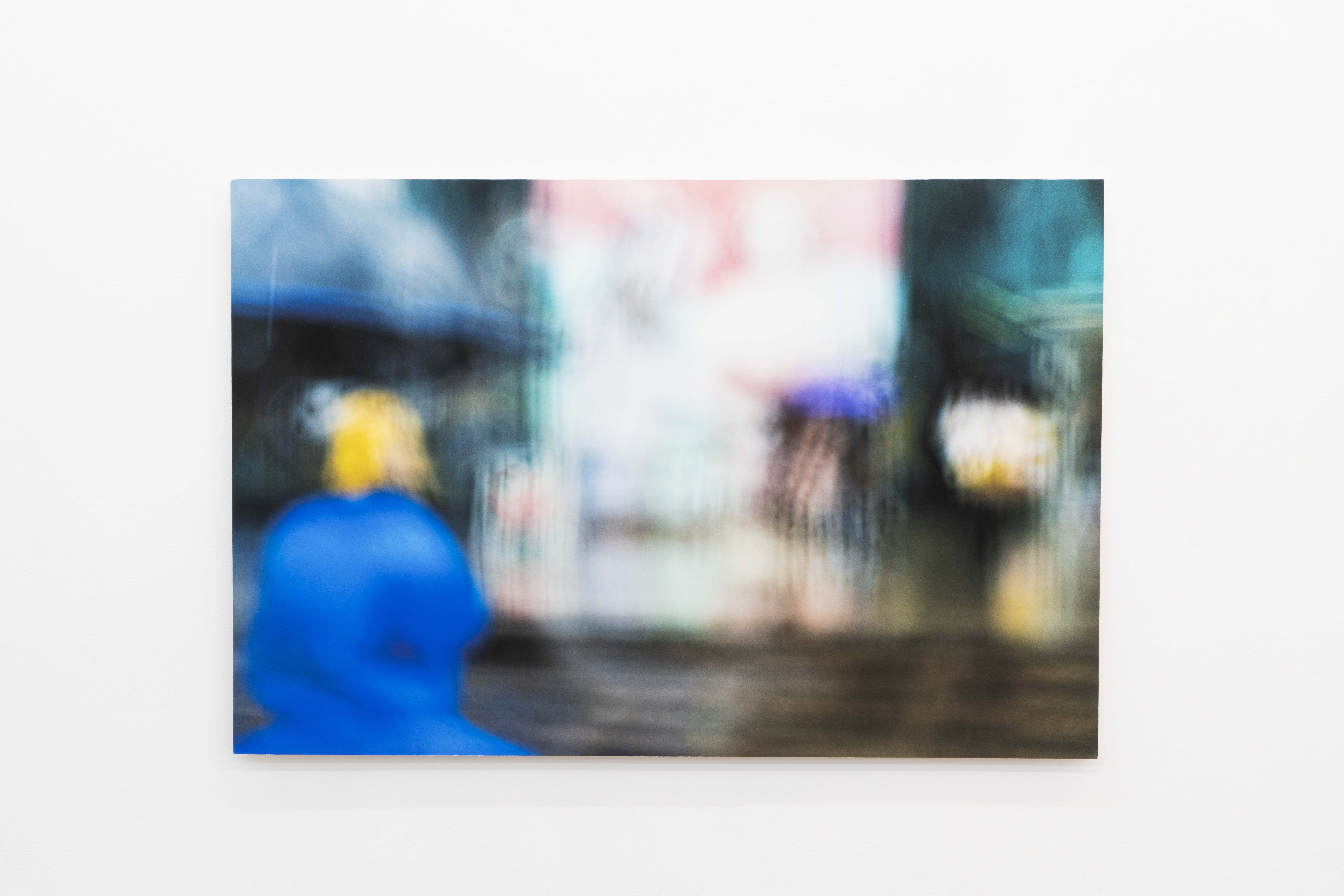
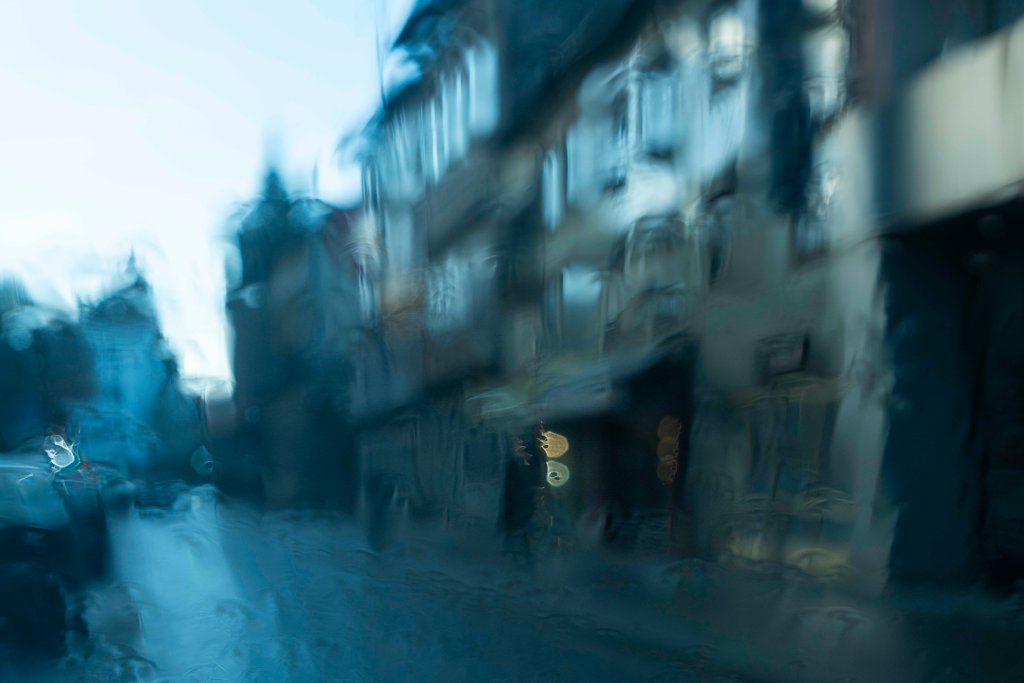
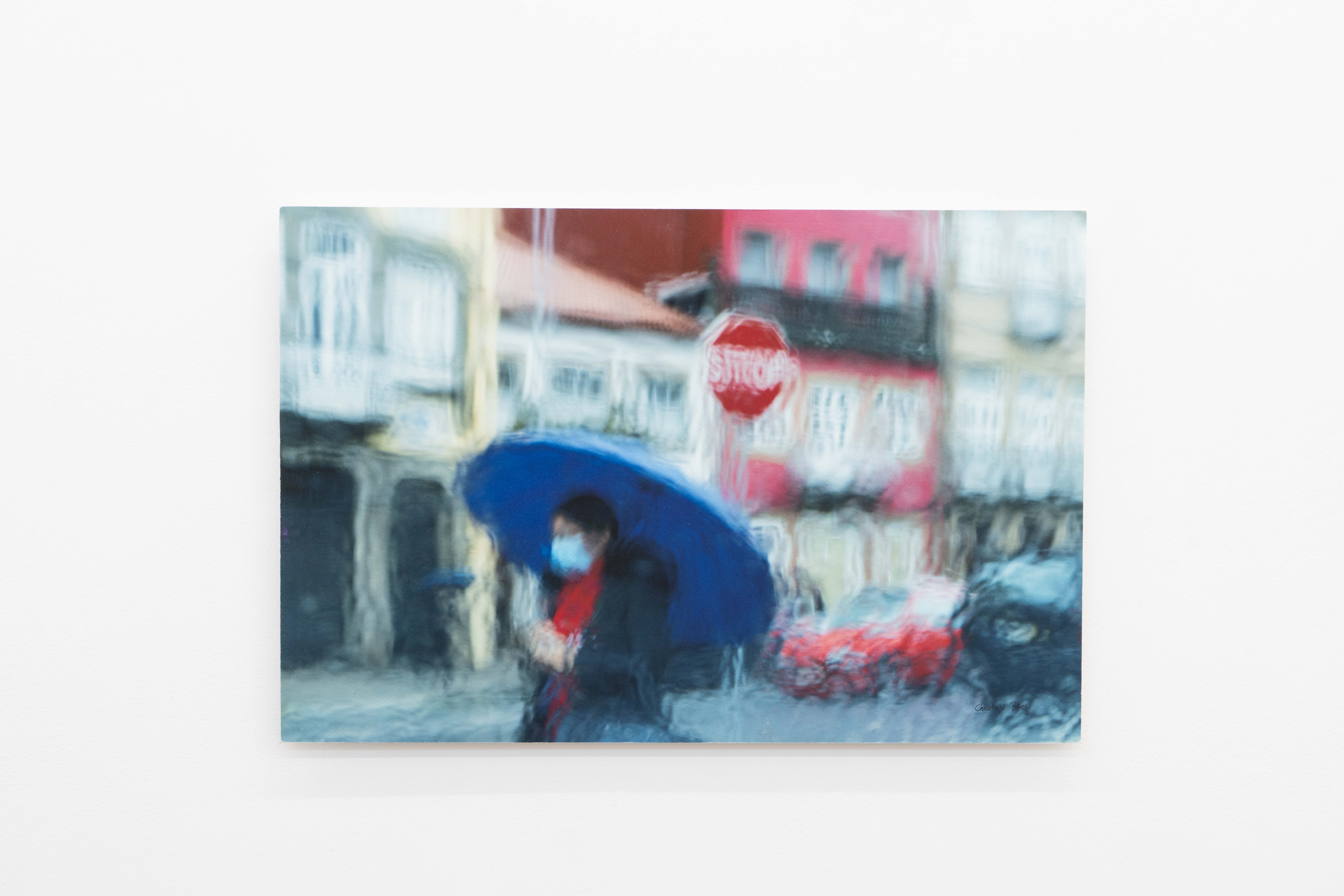
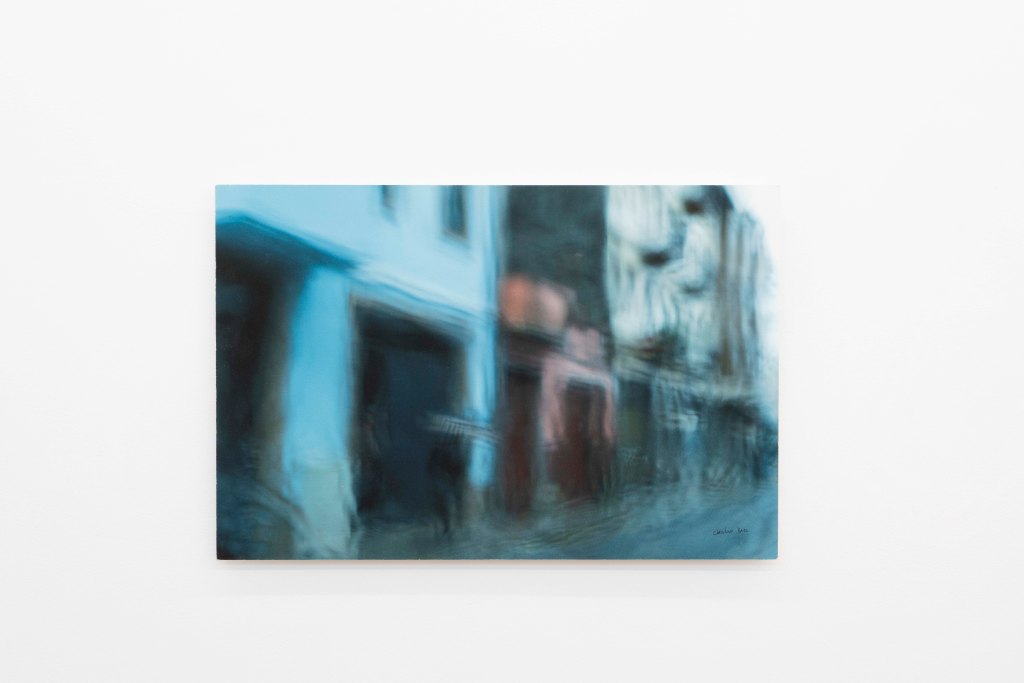
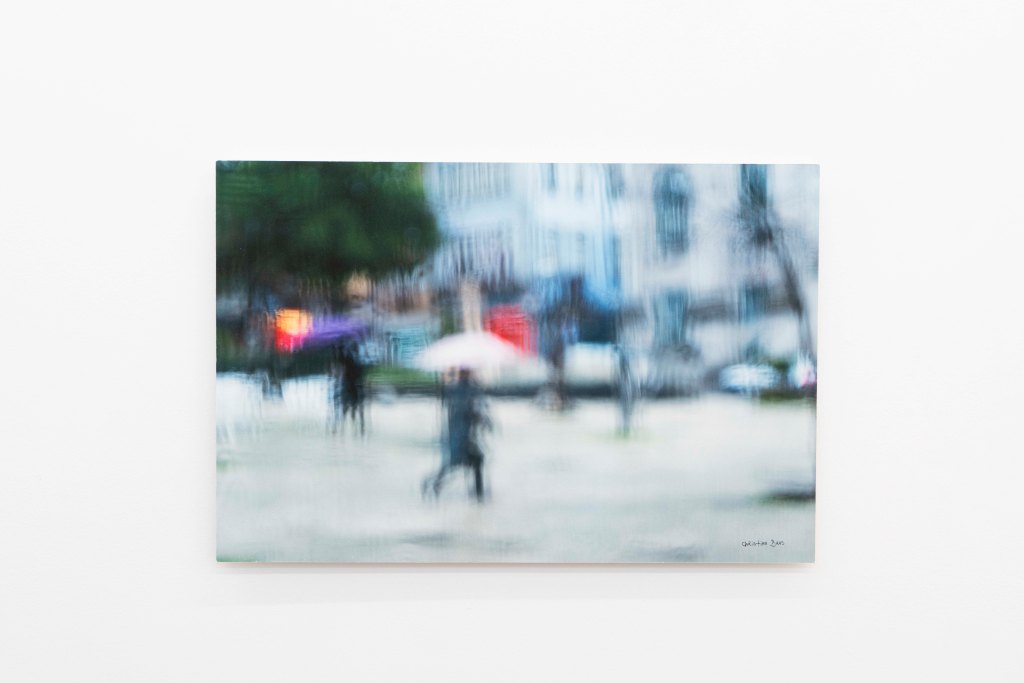
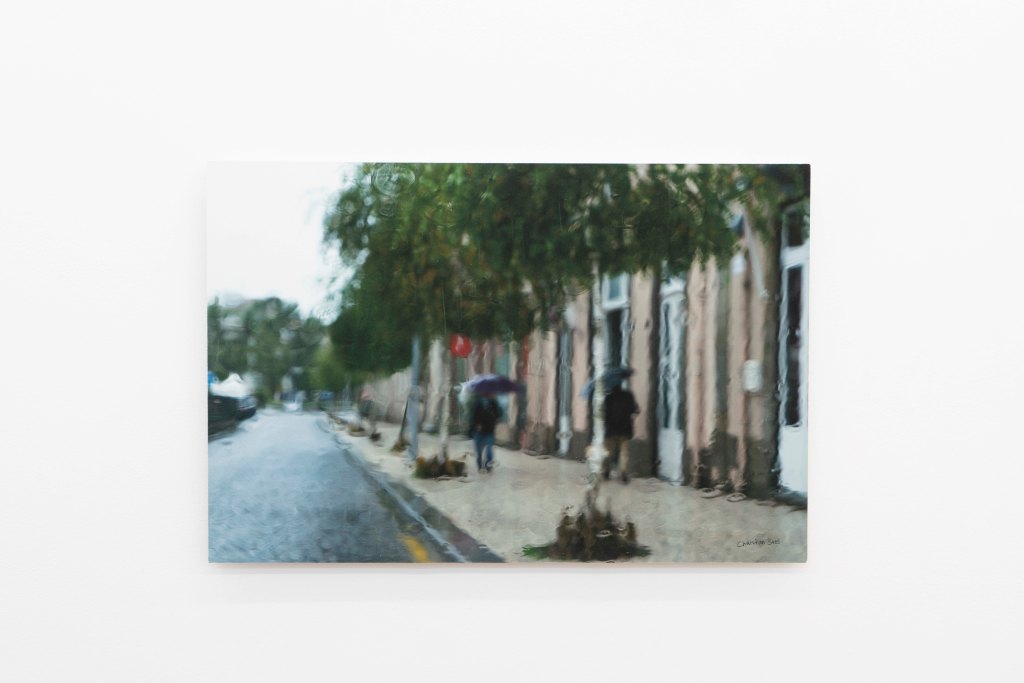
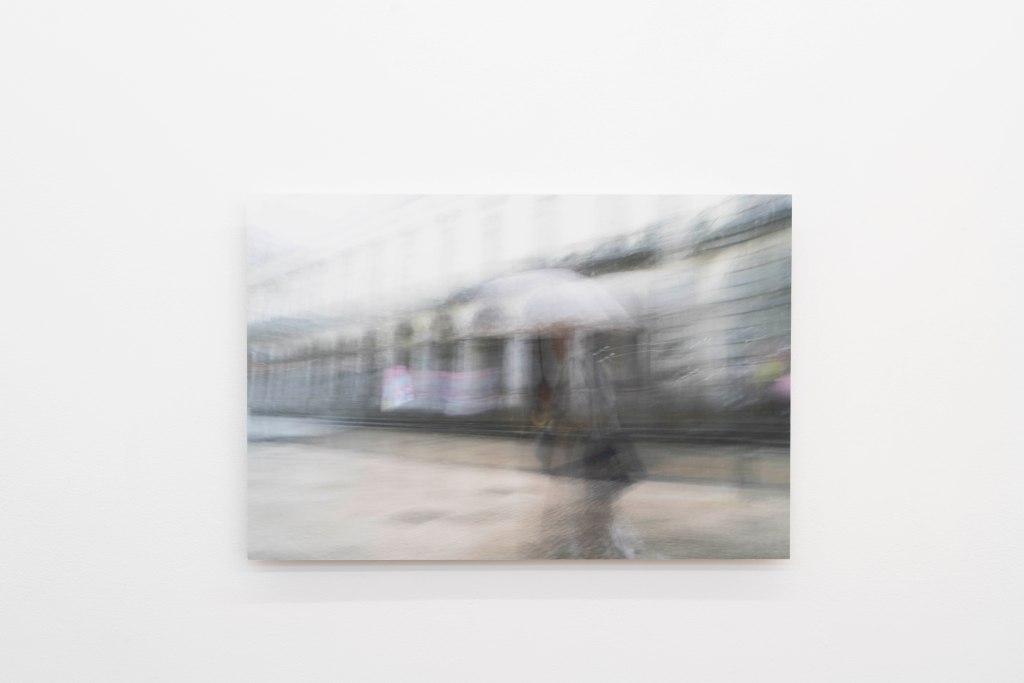
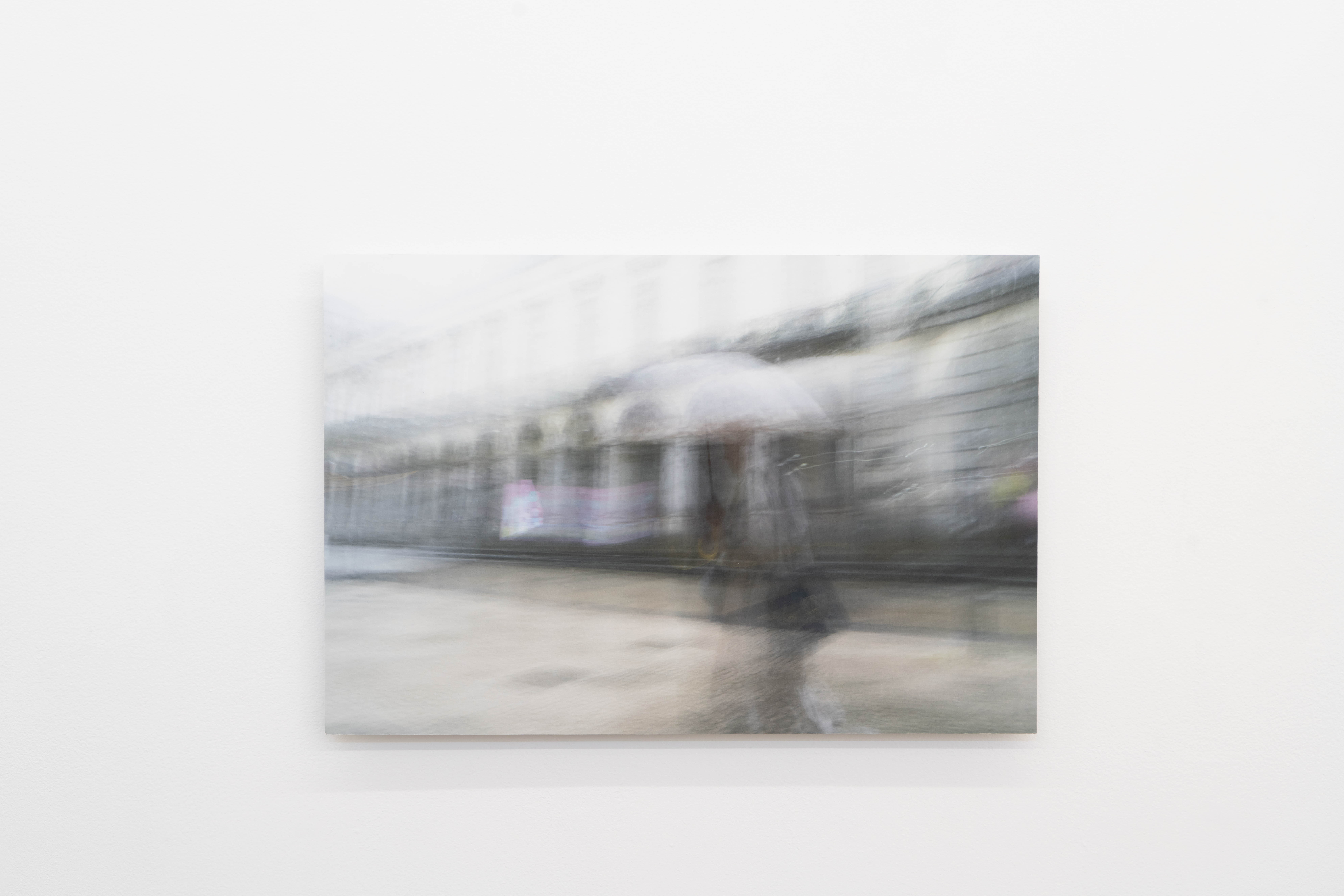
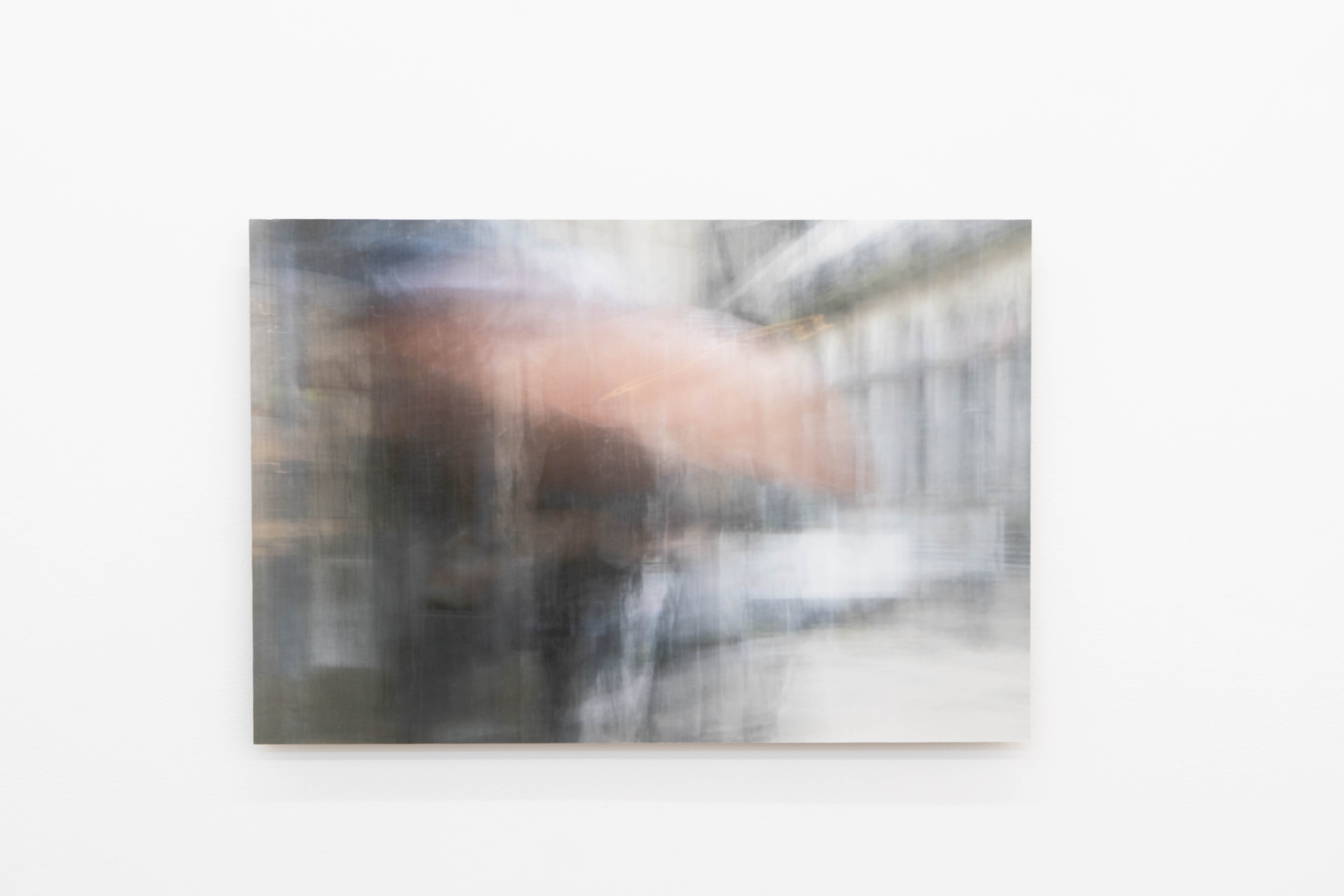
As a photographer interested in and driven by the sensoriality of images, I draw on the conflict of living in a time marked by acceleration and hyperconnectivity to explore perception, vulnerability, and resonance in the contemporary world.
Started in 2017, Behind the Rain was born from a reflection on speed in the context of growing hyperconnectivity and the incessant need for updates that permeates the experience of the liquid world. Over the years, the research has shifted from acceleration to more sensitive layers, where vulnerability, exposure, and the fragility of presence become central.
This movement coincides with a period of personal transformation, marked by the experience of the pandemic and my status as an immigrant in Portugal, deepening my reflection on belonging and displacement. From then on, the landscape is observed through a more fluid and sometimes myopic gaze, where blurring becomes a perceptual strategy.
In this setting, rain acts as a natural filter and metaphorical field. Water, glass, and umbrellas—from color to protection—become recurring motifs, allowing for the construction of impressionistic images, exposed free from the rigidity of frames. Seeking color on rainy days becomes a gesture of resistance and hope: an exercise in presence through perception.
Over time, the human figure—initially clear—gradually fades away. This erasure reflects the contemporary difficulty of finding resonance, producing urban landscapes where absence imposes itself as a sensitive experience.
Currently, I seek to expand the project to other media and physicalities. In video, the use of reduced frame rates creates an internal blurring of the image’s movement, exploring the boundaries between photography and cinema. The research also extends to the materiality of the image, incorporating glass and acrylic interferences, elements present in the capture environment.
Behind the Rain is structured less as a closed aesthetic territory and more as a field of permanence and displacement, where each formal decision—from blurring to migration between media—emerges from the friction between lived time, sensory experience, and the need to reconfigure the very condition of the image.
 christianbaes.art